Foreword
In a fast-changing world, students need to have the confidence to tackle new problems, unknown scenarios and adapt to new contexts. Strong maths and numeracy skills have never been more important for young people growing up in a world experiencing social, economic, environmental and political challenges. Both Nesta and the Tata Group came together in partnership to support more young people to see maths as an engaging, problem-solving tool for real-world problems which will be important for their future. This is where the Maths Mission was born, a series of pilots which were aimed to find innovative new ways to improve problem-solving and maths skills.
At Tata, whether it's engineers at Jaguar Land Rover, app developers at Tata Consultancy Services (TCS) or tea tasters at Tetley, maths is crucial in many different careers within the group and innovation is at the heart of the success Tata has had over 150 years. Support from individual Tata companies such as TCS and Tata Steel played a big role in making the Maths Mission possible. At Nesta, the UK's innovation foundation, we work to turn bold ideas into reality. Our education work has aimed to support a broader, fairer and smarter education system.
The UK's future prosperity depends on combining creativity, problem-solving skills with mathematical ability. We believe it is important that we instil young people with an interest in maths and confidence to explore the exciting things it can be used for. Due to the success of the pilot programmes, a second phase of the Maths Mission was rolled out to identify and support high potential maths interventions including launching a national game-based competition, providing support to organisations delivering innovative numeracy peer mentoring programmes and digital tools to promote parental engagement in maths. We are proud to share our learning from the second phase in this report.
Our work together reached 19,646 young people and 207 schools across the UK and gave young people the opportunity to feel inspired and confident in maths improving their maths skills as well as other important skills such as problem-solving and teamwork.
We will continue to evolve our approach to working with schools and teachers and feed learning from these interventions into our future work and we hope lessons can be taken from this report that will be useful to wider society.
Joysy John
Director of Education,
Nesta
Tim Jones CBE
Executive Director,
Tata Limited
About Maths Mission
How can we support more young people to see maths as an engaging, problem-solving tool for real-world problems? How can we encourage students to be positive about maths, improve their key skills and develop their mathematical problem-solving capacity?
Through the Maths Mission partnership, Nesta and Tata worked together to identify and support high-potential solutions. We provided support to pilot and test interventions that can then be helped to scale their reach and develop their impact.
Acknowledgments
With thanks to all the teachers, students, parents and delivery partners involved in the Maths Mission programme.
Also many thanks to the volunteers from Tata Consultancy Services and Bruno Reddy who supported Cracking the Code, and to Mangahigh, with whom Nesta and Tata delivered the competition. Thanks to Helen Harth from the Royal Society and Kathryn Davies from the Education Endowment Fund who judged applications to the Solving Together fund, and finally to Maggie Steel at FunKey Maths, Iris Hulls at Eedi, Kim Reuter and Georgia Brown at Franklin Scholars and Ems Lord and Julia Hawkins at NRICH.
Founding Partners
nesta
Nesta is an innovation foundation. For us, innovation means turning bold ideas into reality and changing lives for the better. We use our expertise, skills and funding in areas where there are big challenges facing society. Nesta is based in the UK and supported by a financial endowment. We work with partners around the globe to bring bold ideas to life to change the world for good.
Thanks to: Kate Bower, Omolara Olusola, Jed Cinnamon, Joysy John
To find out more visit www.nesta.org.uk
TATA
Having established Tata Limited in 1907 to represent the group in Europe, Tata now has 19 companies operating across the continent, with a combined workforce of over 65,000. These companies include: Jaguar Land Rover; Tata Steel Europe; Tata Motors; Tata Consultancy Services (TCS); Tata Consumer Products (including Tetley); Tata Chemicals and Taj Hotels. European markets with a key Tata presence include; the UK, France, Germany and the Netherlands.
Thanks to: Tim Jones, Adam Barriball, Tofayal Ahmed, Martin Shaw
To find out more, visit www.tata.com
Supporting Partners
TATA CONSULTANCY SERVICES
Tata Consultancy Services is an IT services, consulting and business solutions organisation that has been partnering with many of the world's largest businesses in their transformation journeys for the last 50 years. TCS offers a consulting-led, cognitive-powered, integrated portfolio of IT, Business & Technology Services, and engineering. This is delivered through its unique Location Independent Agile delivery model, recognised as a benchmark of excellence in software development.
Thanks to: Yogesh Chauhan, Camilla Carlslund
To find out more, visit www.tcs.com
TATA STEEL
Tata Steel is one of Europe's leading steel producers, with steelmaking in the Netherlands and the UK, and manufacturing plants across Europe. The company supplies high-quality steel products to the most demanding markets, including construction and infrastructure, automotive, packaging and engineering. Tata Steel works with customers to develop new steel products which give them a competitive edge. The Tata Steel group is among the top global steel companies with an annual crude steel capacity of 33 million tonnes. It is one of the world's most geographically diversified steel producers, with operations and a commercial presence across the world.
Thanks to: Rob Simpson
To find out more, visit www.tatasteeleurope.com
Summary
Since 2017 Tata and Nesta have worked together on the Maths Mission programme. This report summarises work completed between September 2018 and June 2020.
During the academic year 2017/2018, Tata and Nesta ran a series of pilot projects across the UK to find effective ways to increase young people's interest in maths and improve their maths and collaborative problem-solving skills. Based on the positive evaluation results of these pilot projects, from September 2018 to June 2020 the Maths Mission programme continued to support new innovations in this area, through three strands.
This report outlines the approach we took through each strand and the results and impact of the activities, and provides key learning for the wider maths education community.
The three strands:
- 1. Cracking the Code
We delivered the next iteration of the national maths competition Cracking the Code, extending its reach by working with online maths platform Mangahigh.
- 2. Young Maths Mentors
Through Young Maths Mentors we continued to support peer mentoring organisations FunKey Maths and Franklin Scholars to develop and increase the reach of their programmes.
- 3. Solving Together
We launched a new fund, Solving Together, to find and support digital interventions aiming to improve parental engagement in maths.
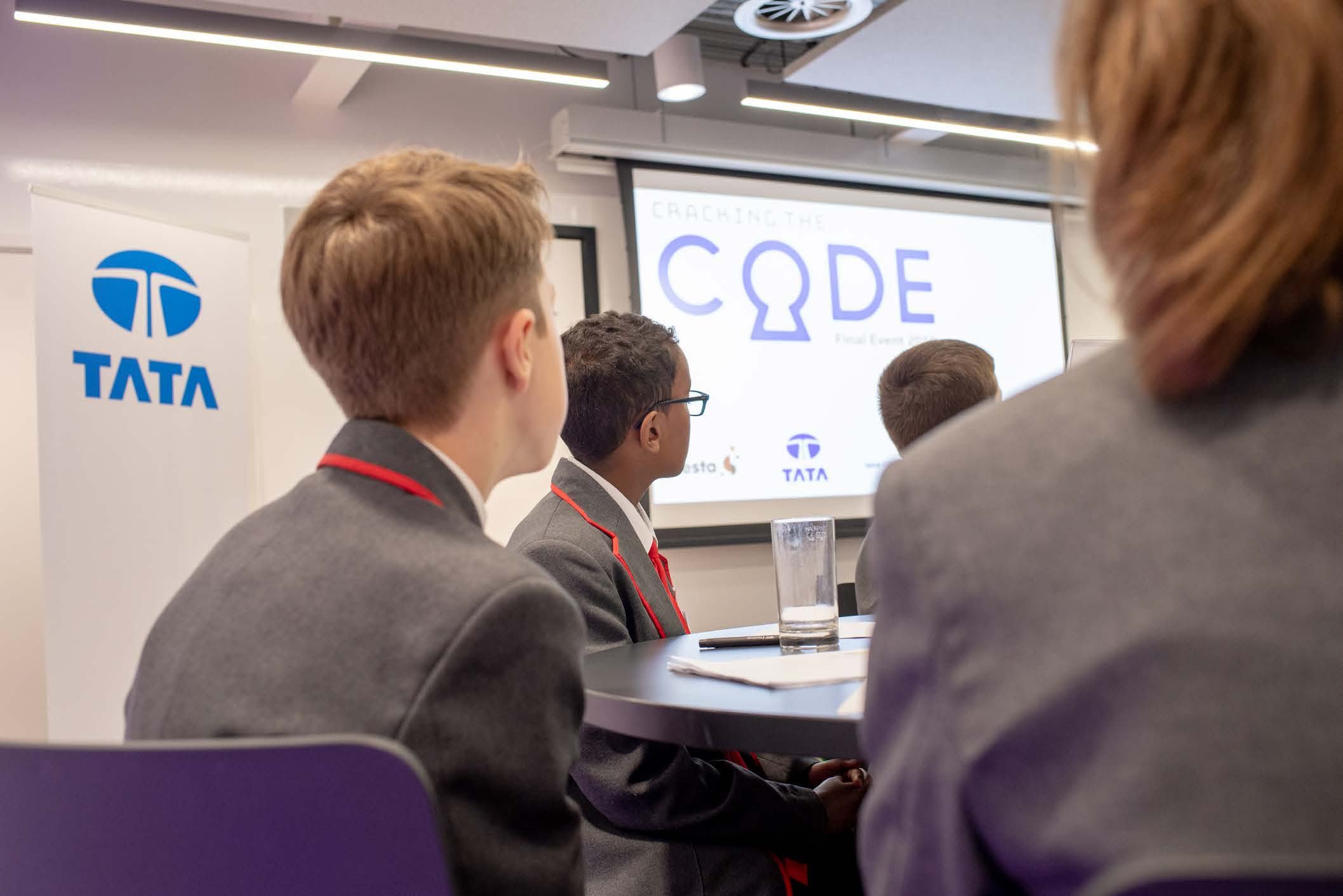
"[Cracking the Code] was a good opportunity to work as a team whilst incorporating crucial maths skills in a fun/enjoyable style and environment."
Student participant, Cracking the Code 2019
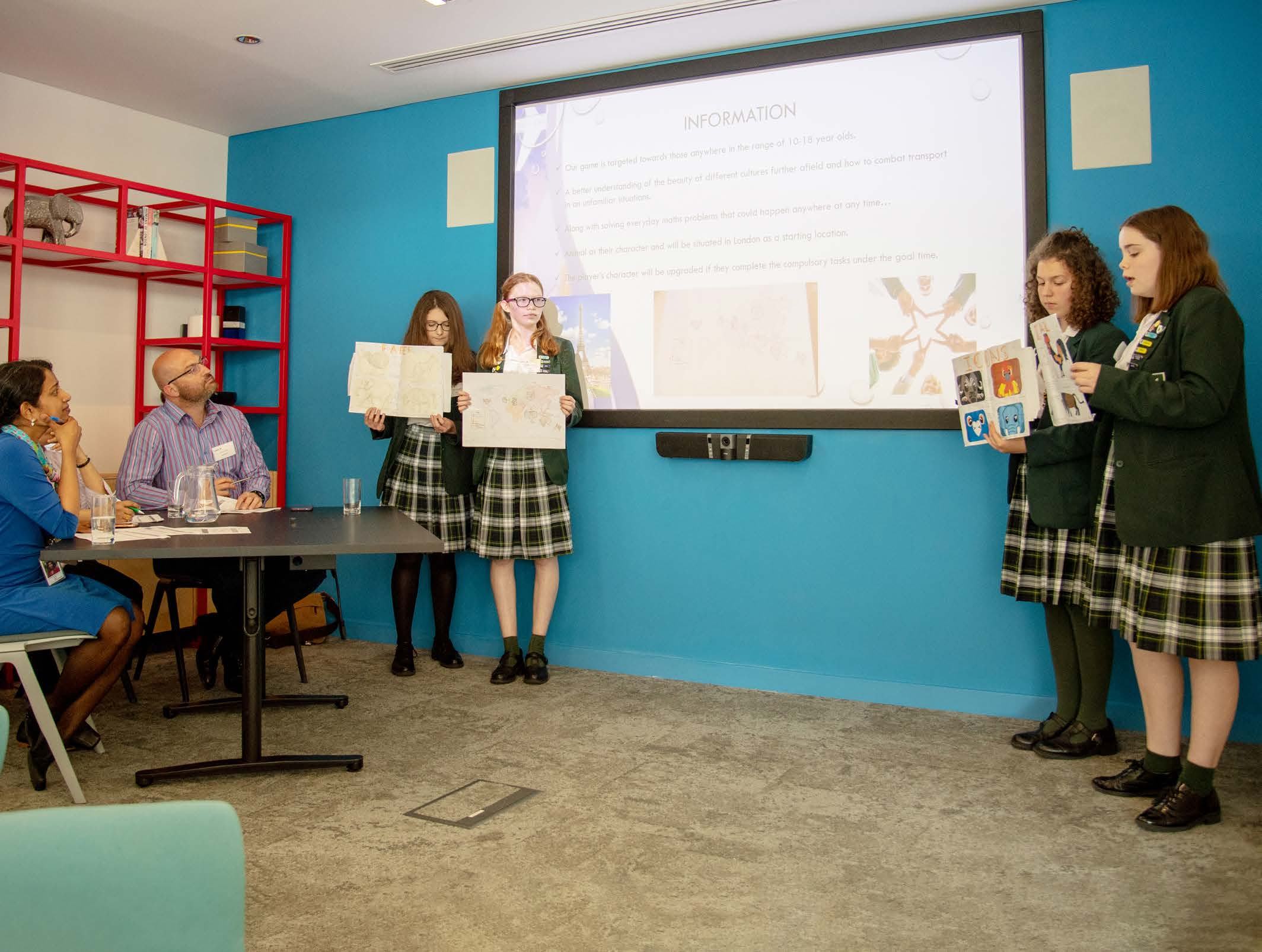
"I liked how a creative aspect was well linked into an educational challenge and [the competition] also helped to improve leadership and teamwork skills."
Student participant, Cracking the Code 2019
Maths Mission: The challenge
It is well known that the skills needed for the future world of work will be different from today, as Nesta's 2017 report The Future of Skills: Employment in 2030 explored.
Although there is a level of uncertainty around these future needs, there is strong evidence that maths skills and collaborative problem-solving will be particularly important. For example, the World Economic Forum has made the case for a range of skills that will be increasingly important in the future job market, that include collaboration and problem solving. Nesta's report Solved! Making the case for collaborative problem-solving, published in 2017, explored how the UK can better equip young people with this skill set. It is also widely agreed that maths skills are, and will continue to be, crucial for individuals to be successful in the world of work. Andreas Schleicher of the OECD has made the powerful case that 'good numeracy is the best protection against unemployment, low wages and poor health'.
One of the major obstacles to maths and problem-solving attainment is attitude - the belief that 'some people just can't do maths'. This limiting belief, which is prevalent in the UK, can encourage young people to disengage from an early age.
Key learning:
- Maths peer mentoring can be an effective way to improve young people's maths skills as well as their social and emotional skills. While there is more work to be done to understand the size and nature of this impact, it is important that more schools are able to deliver good quality, structured peer support programmes.
- Competitions which challenge students to use maths in creative ways and work together in teams can help increase students' interest in maths and provide students with the opportunity to develop their presentation, problem-solving and teamwork skills. It is important to ensure such competitions are inclusive and do not just engage students who are already interested in maths. More work needs to be done to understand the impact of competitions, and to consider how such creative approaches could inform the wider curriculum.
- Digital parental engagement tools such as apps can be successful in improving parental engagement in maths. Key barriers include lack of access to suitable technology or reluctance to use online tools. Technology offers lots of potential solutions to challenges with parental engagement, but more work needs to be done to ensure such tools help parents and young people who most need support.
Maths Mission 2018-2020: Summary by Strand
Cracking the Code
PROBLEM: Negative attitudes towards maths are common among UK students. New ways to present the subject as a problem-solving tool may help to solve this issue.
WHAT WE DID
- Launched Cracking the Code national maths competition with Mangahigh
KEY RESULTS:
- 114 schools participated
- 16,875 students completed at least one maths activity on the Mangahigh platform
- 38 game design entries received
Winning game, Minus Miners (designed by students) was created online
WHAT PEOPLE THOUGHT:
'Cracking the Code has helped me improve my presenting and listening skills'
- 93% of students agreed with this statement¹
¹ Based on 15 responses to post-event survey
Young Maths Mentors
PROBLEM: Peer support has been shown to be influential on young people's attitudes and attainment. There are, however few well-evidenced, structured peer support programmes.
WHAT WE DID
- Provided grant funding to Franklin Scholars
KEY RESULTS:
- Numeracy programme developed
The charity expanded its team to help develop and embed the numeracy programme as part of their core offer.
- 8 schools engaged in the programme
- 210 students engaged in the programme
- Provided grant funding to FunKey Maths
KEY RESULTS:
- Developed a whole-class approach to peer mentoring
- 9 new units of work created
- 74 new schools trained
Solving Together
PROBLEM: Parental engagement in a child's education is crucial. However, less is known about the best way to support parents to engage effectively.
WHAT WE DID
- Provided grant funding to the NRICH project at the University of Cambridge
KEY RESULTS:
- Developed 6 online modules of collaborative problem-solving resources
- 6 schools involved in the pilot
- 710 students piloting the resources
- 11,800 unique page views of online resources over 10 weeks.
- 1/5 of families² who participated in the pilot worked together more often on maths homework than before the pilot.
² This is an approximate figure.
- Provided grant funding to Eedi
KEY RESULTS:
- Conducted a Randomised Control Trial (RCT) exploring the effectiveness of Eedi's parent app
- 9 schools participated in the RCT
- 192 parents participated
- 1,851 students participated in the RCT
- RCT indicated that students in classes that received access to the parent app did not record higher attainment in maths than students in control classes.
Cracking the Code
Following the success of the first Cracking the Code competition we launched the second iteration of the national competition for Key Stage 3 and Key Stage 4 students
Overview
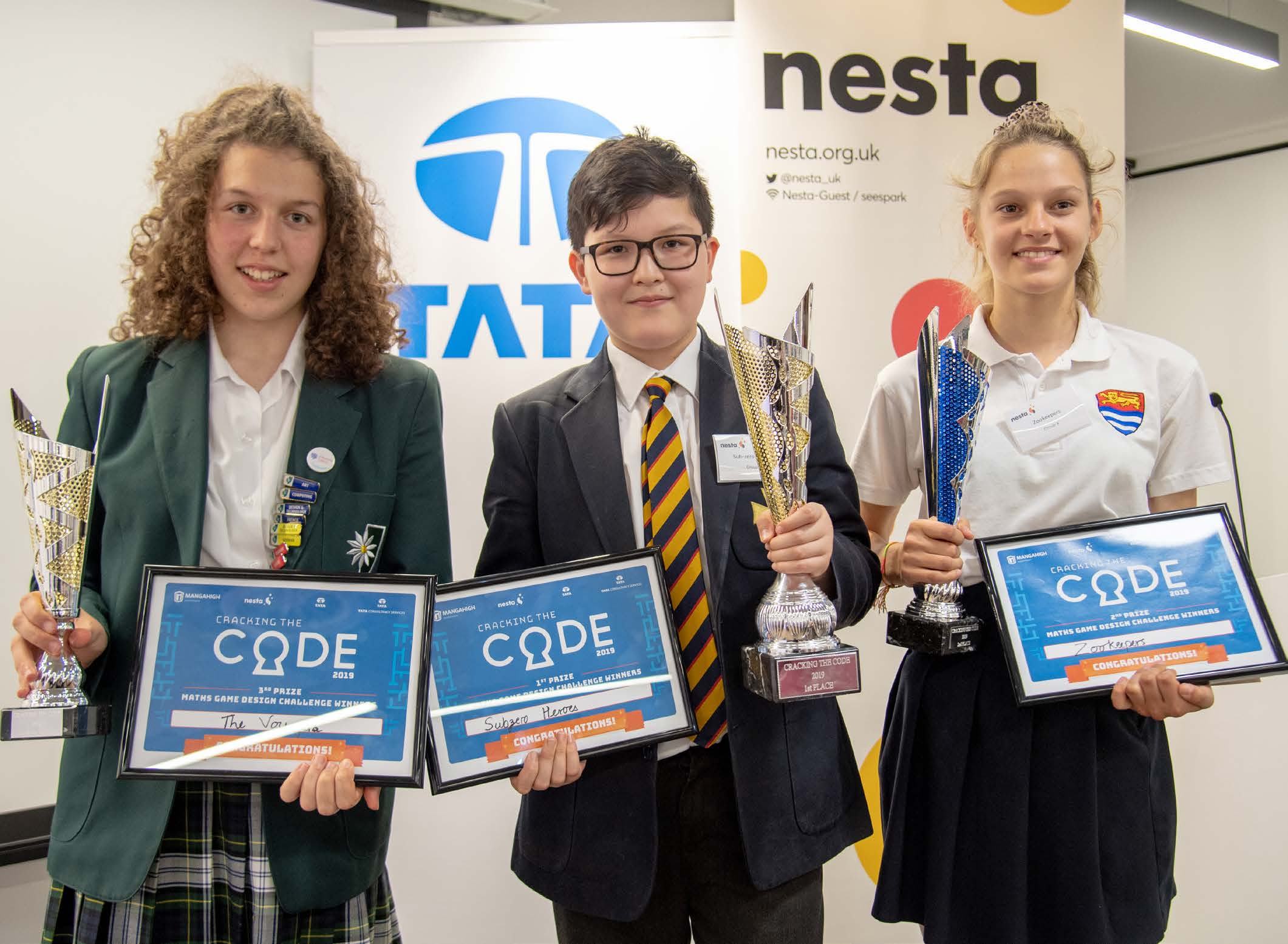
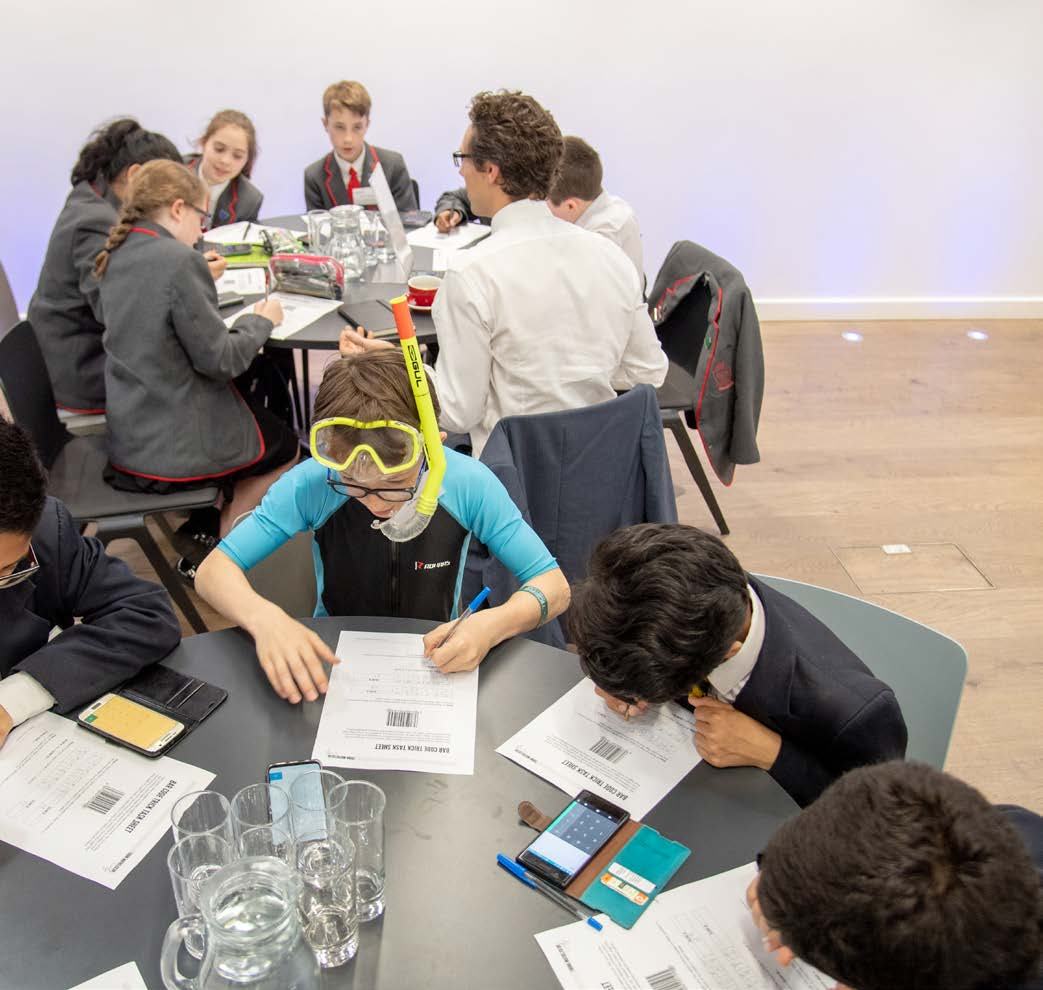
Building on the success of the first competition and in order to reach a greater number of students, the competition was delivered as a two-part competition with the online maths platform Mangahigh. 110 schools participated in Cracking the Code Part 1 in March 2019, which involved students competing with each other through online maths games and puzzles to master maths skills and win points over a 10-day period. Throughout this period 16,875 students completed at least one maths game or activity on the Mangahigh platform, spending a collective total of 11,599 hours competing online. The top 10 schools received a monetary prize, with the winning school, Colyton Grammar School in Devon, receiving £1,000 towards maths programmes.
"Through this competition, I have seen a level of creativity from the students that I don't normally see. I am so proud of the students. It is incredible to see just how much they have learned from this project; so much more than just a thorough understanding of negative numbers but also presentation skills, confidence and teamwork when working with the design team to develop the game."
Amanda Wood,
Teacher from King Edward VI School
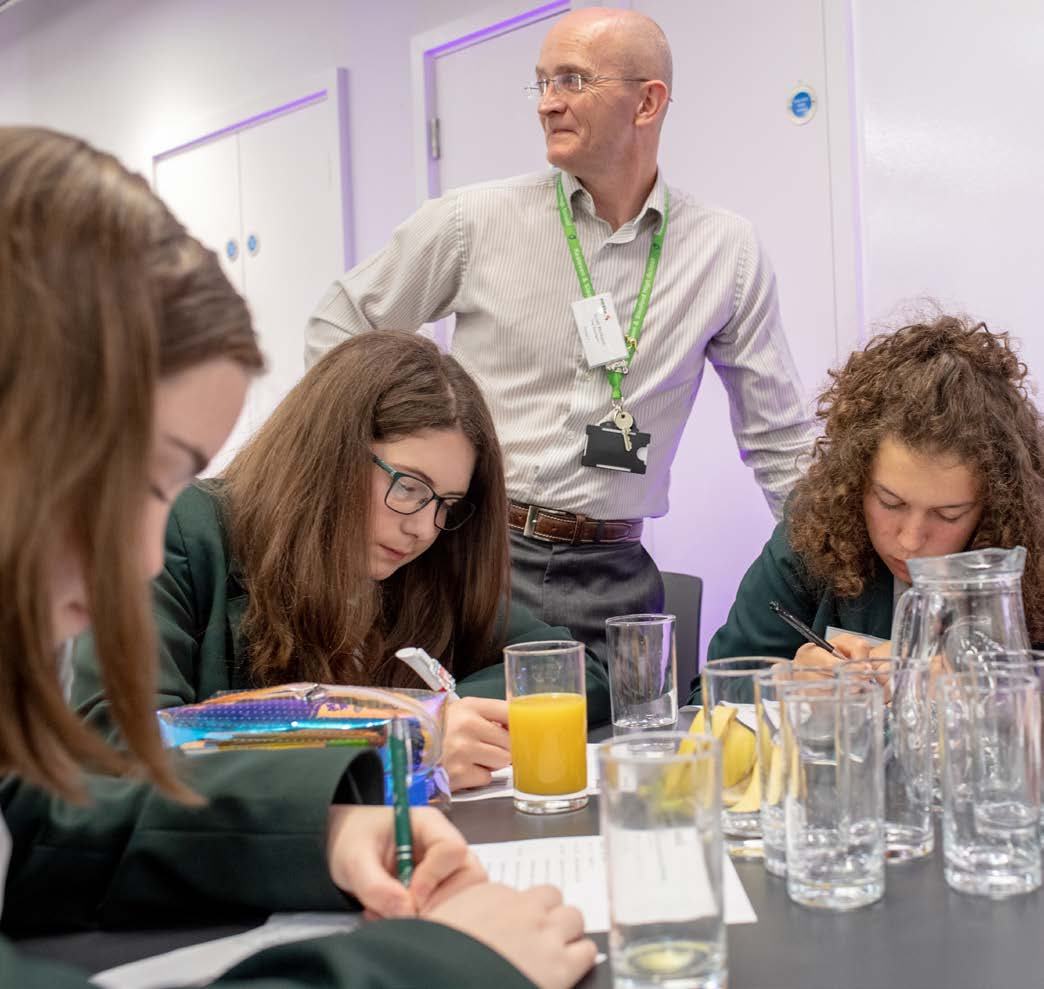
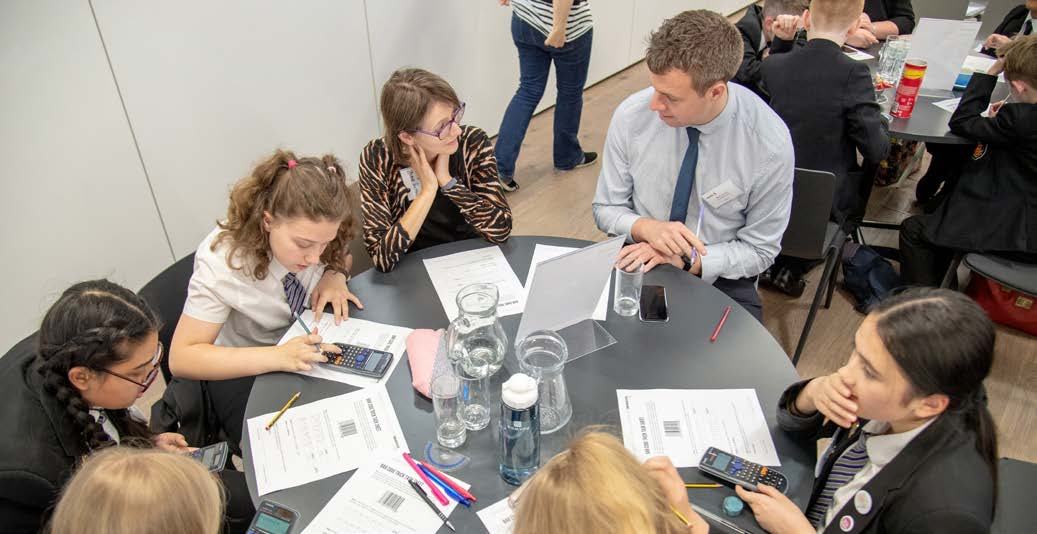
Cracking the Code Part 2 challenged students to design their own online maths game by applying their creativity, use of maths and collaborative problem-solving skills. Staff from Nesta and Mangahigh shortlisted the 38 game design entries to 10 final teams, who then had access to a mentor from Tata Consultancy Services to help develop their game designs further and prepare for their presentation at a live final event in London.
"[Cracking the Code] was a great way to learn about how useful maths can be in every job and was a fun way to get lots of people involved."
Student participant,
Cracking the Code 2019
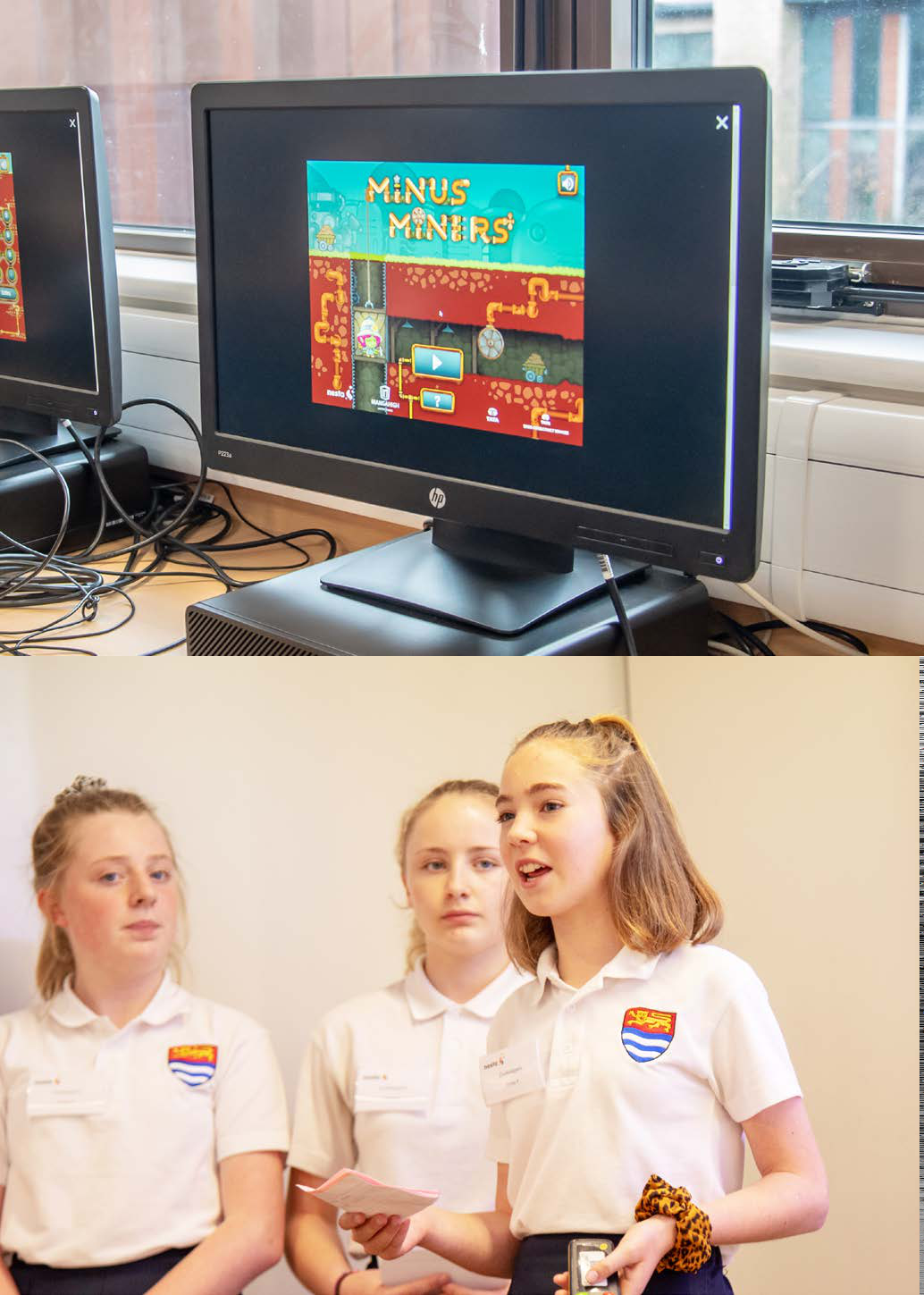
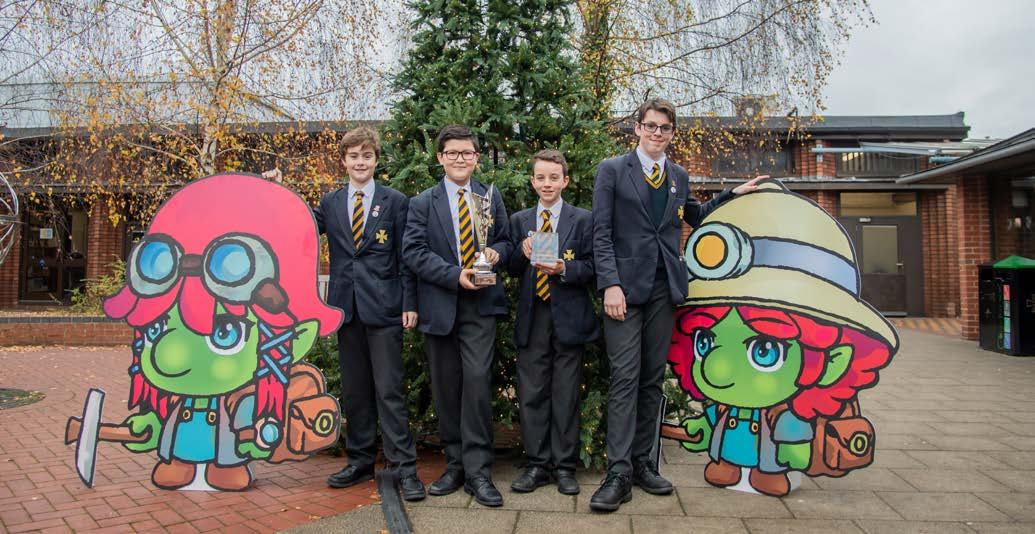
Team Sub-zero Heroes from King Edward VI School in Stratford-upon-Avon were selected as winners at the final event in June 2019 and had their game Minus Miners brought to life by Mangahigh. The game was launched in December 2019 at a celebration event at King Edward VI School. Minus Miners challenges participants to escape an underground mine, teaching them about negative numbers in the process. In May 2020 69,646 medals had been won by students playing Minus Miners across the globe, of which 63,940 were gold medals won by students demonstrating exceptional understanding of negative numbers.
Outcomes
Following the final event, teachers and students completed an evaluation survey. Key feedback from teachers and students demonstrated how valuable the competition was for helping students improve their presenting, listening, problem-solving and teamwork skills. Most teachers (6 out of 7 who completed the survey) said they noticed that their students were more interested in maths as a result of the competition and most students (14 out of 15 who completed the survey) said the competition had been a fun way to use maths.
Key learning
Two characters from the Minus Miners game designed by a group of students from King Edward School VI.
- Competition finalists had the opportunity to work with a mentor from Tata Consultancy Services. Feedback included: 'the mentoring was brilliant, and the students got so much out of it'. Similar competitions or programmes should explore how to match young people with professionals on a specific project.
- For some students this was the first time they had travelled to London and delivered a presentation to a group of their peers. Teachers expressed how important this sort of event was for students in developing their interpersonal and oracy skills as well as enjoyment of maths. Such events are expensive and are limited in their reach: future programmes might consider how to replicate the impact of such an event in a more scalable way.
- The one-off nature of competitions and differences in how schools choose to implement them can mean it is difficult to gather and interpret data on impact. For instance, some schools may choose to run an internal selection process before submitting their entry, target particular students to take part and offer varying degrees of support and guidance. All these factors will affect the impact of the competition on participants. For future iterations we would recommend researching how different schools implemented the competition and building this evaluation of different approaches into future design.
- Part 1 of the competition delivered through the Mangahigh platform allowed students to participate at any point over a 10-day period. This flexibility likely encouraged more schools and students to take part; however, it's difficult to establish if the competition only reached students who are more interested in maths and are more motivated.
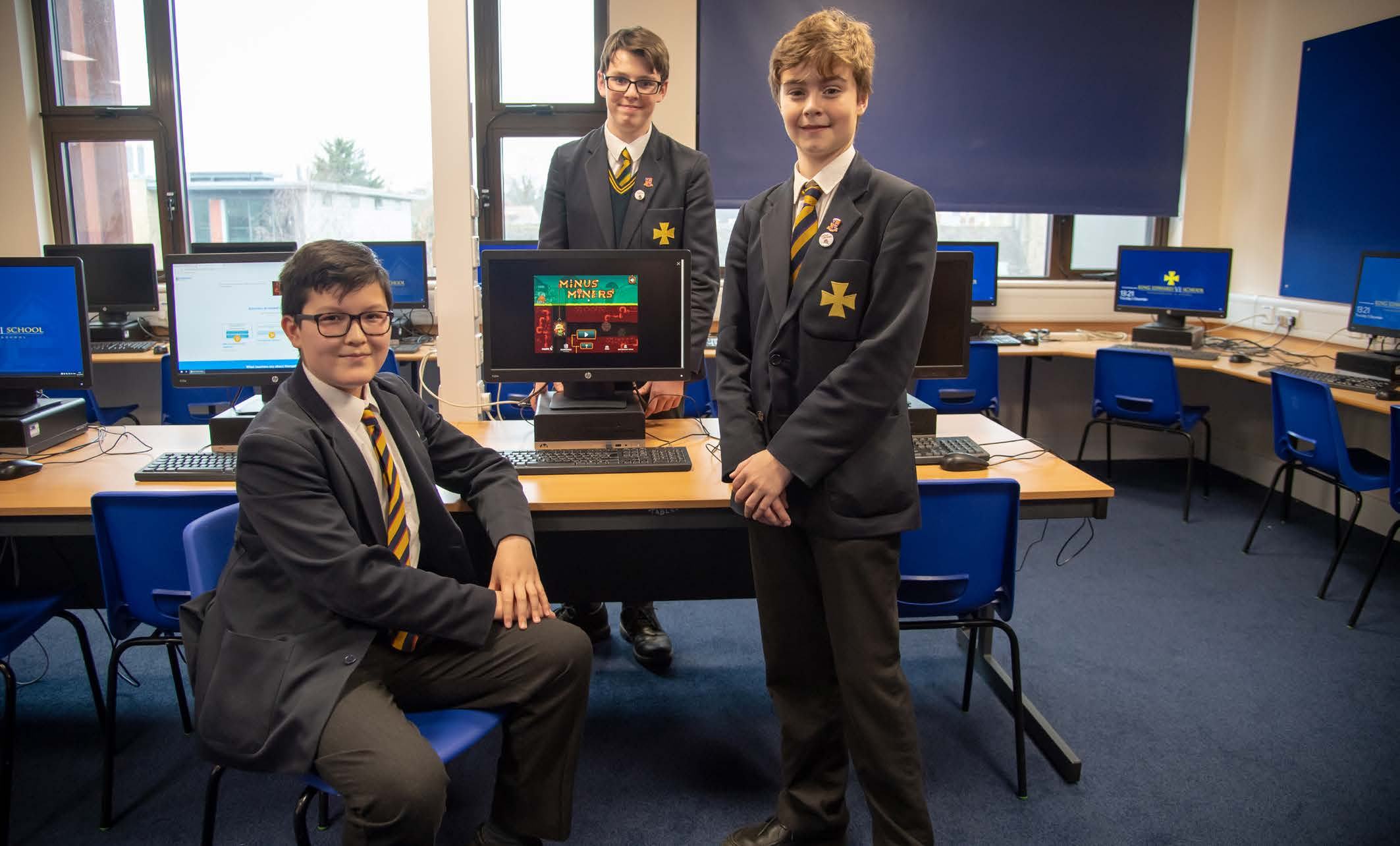
"The whole process of the competition was executated meticulously and I had a very good learning [experience] personally."
Anbu Mani - Tata Consultancy Services Mentor
Young Maths Mentors - Franklin Scholars
Following a successful pilot, the Maths Mission programme supported Franklin Scholars, a social enterprise, to develop their numeracy peer mentoring programme for Year 10 mentors and Year 7 mentees.
Overview
Following a successful pilot year working in 3 schools, we provided grant funding to Franklin Scholars for the organisation to develop their numeracy programme and integrate it as part of their core offer to schools. Franklin Scholars continued to work with three schools over the 2018-2019 academic year and five schools over the 2019-2020 academic year. The programme worked with over 210 students from 2018 to 2020.

"I enjoyed cooperating with other children the most because it was a really fun exercise joining the games."
Year 7 student, Lambeth Academy
Franklin Scholars works closely with schools on the year-long peer mentoring programme, supporting cohorts of older students - the Franklin Scholars - to become better learners while they tutor, mentor and support younger students. They match the Franklin Scholars with vulnerable younger students (typically Year 7s or Year 9s), and set them up to lead weekly sessions that combine group activities, 1:1 numeracy support and 1:1 mentoring. The numeracy curriculum focuses on the areas that students often find most tricky, using evidence and theory around mastery and cognitive load.
Outcomes
Franklin Scholars aims to help develop young people's character - including resilience and confidence - as well as boosting their numeracy skills. Students taking part in the programme complete baseline questionnaires and end-of-year surveys to track their progress across 13 social and emotional skills.
Data from Mounts Bay and The Reach Free School, which took part throughout the 2018-2019 academic year showed that participating students made particularly strong progress in growth mindset and perseverance as measured through a survey. The survey defines perseverance as the ability to keep doing something despite it being difficult, and growth mindset as the appreciation that one can learn and develop new skills through work and practice. In terms of academic progress, the most promising improvements recorded for these schools were for the Year 7 mentees, who were noted to make greater progress than their year group as a whole.
At the time of writing, data from the 2019-2020 programme was unavailable as programmes had been halted due to Covid-19.
"It has improved my self-confidence, control, perseverance and not giving up. I'm really enjoying it."
Year 10 student, Bede Academy
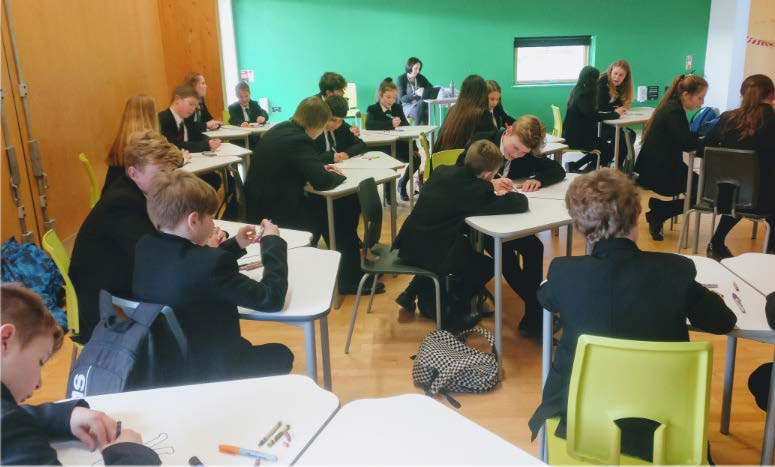
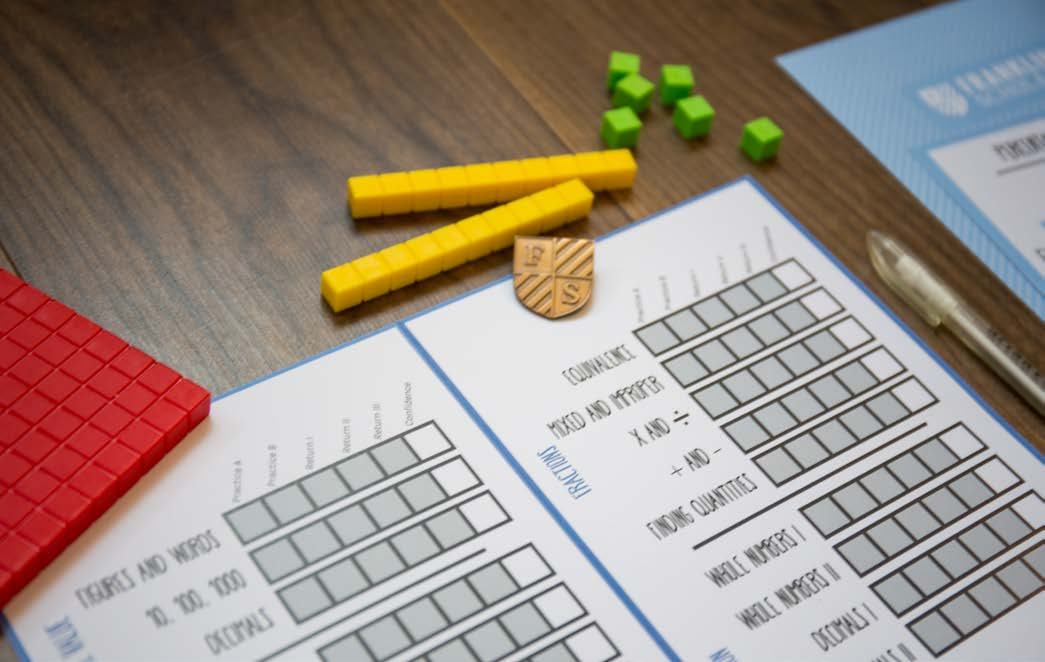
"Receiving my Franklin Scholars badge made me feel warm inside because I'm doing something for other people; I don't normally do stuff like this but now I am, I feel good inside. It means a lot to me."
Year 10 student, Copthall School
Key learning
- Franklin Scholars delivers both numeracy and literacy peer mentoring programmes. From speaking with teachers in their partner schools, they believe that there is a prevalent perception in schools that literacy is a better choice for peer mentoring, compared to numeracy; however, early data collected from a small number of schools indicates that numeracy peer mentoring can have a positive influence on maths progress.
- Well-structured peer mentoring programmes can improve both social and emotional skills and academic progress; however, schools that are looking for an intervention to improve maths skills may not view peer mentoring as an obvious option, despite the evidence base that peer tutoring approaches appear to have a positive impact on learning. Further work needs to be done to understand the impact on both social and emotional skills and academic progress, in order to understand how best to promote the intervention to schools.

Young Maths Mentors - FunKey Maths
Following the successful pilot project, Maths Mission supported FunKey Maths to scale it's innovative cross-age peer learning programme, which aims to develop number sense in primary age children and a range of important soft skills in older student mentors.
Overview
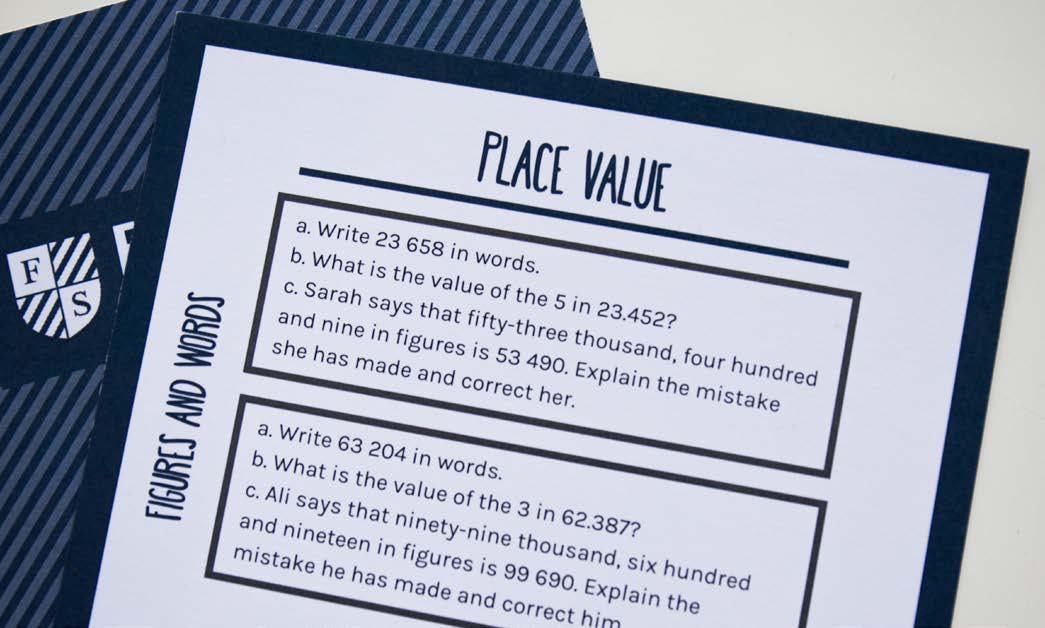
Funkey Maths peer mentoring programme pairs mentors in Year 4 and Year 5 with younger mentees in Year 2 and Year 1 to work 1:1 on numeracy through games-based play. Mentors deliver a highly structured programme of activities which facilitate intelligent practice for their younger mentees of key skills in areas such as counting and place value.
Following the successful pilot year in 10 schools in Hereford and Bristol, the Maths Mission programme grant funded Funkey Maths to scale their programme to 36 schools in the 2018-2019 academic year and 38 schools in the 2019-2020 academic year.
Funkey Maths have also used the grant to expand their resources to now offer six Key Stage 1 units, and three Key Stage 2 units of work are currently in development covering topics such as doubling and halving, counting in twos, and times tables. The grant has also allowed alternative delivery models to be developed, including a Year 4 - Year 2 whole-class peer mentoring model which has been piloted in four regions and in 30 schools.
Outcomes
At the time of writing, informal feedback from teachers across the 2018/19 and 2019/20 programmes was the main source of information on the changes brought about by the mentoring programme.
"They like playing the games. It helps them remember. When I was little, I really remembered the things that were fun, not the things that were boring."
Izzie, a Year 5 mentor, explains it well when talking about her mentee
Informal feedback from teachers running the Year 5 and Year 2 mentoring model indicated that mentees had improved their maths scores on pre- and post-intervention tests and Key Stage 1 SATs papers as well as their ability to articulate maths ideas throughout the programme. Teachers provided feedback that mentors improved their performance on Key Stage 2 SATs reasoning papers and that they had observed a noticeable uplift for quieter children in overall confidence and willingness to speak up.
Informal feedback from teachers running the Year 4 and Year 2 whole-class mentoring model indicated that the mentor training had a positive impact on relationships within the Year 4 class, with children modelling 'mentor' behaviour with each other, not just with their mentees. Alec Reed Academy in London reported that within a four-week period, an additional 20 per cent of their Year 4 cohort had achieved a score of 100 per cent on their practice Multiplication Times Table check (the formal Government Year 4 test). This indicates that for lower performing Year 4 children, the role of mentoring a younger child on times tables can have a rapid and positive effect on their own knowledge of times tables.
Key learning
- The greatest barrier to schools introducing or sustaining maths peer mentoring programmes is staffing difficulties. FunKey Maths responded by extending its programme to include a whole-class mentoring model (Year 4 children mentoring Year 2 children). This new model has allowed a greater number of schools and students to take part in the programme. More units for this model will be created in the coming year.
- Key factors affecting data collection and analysis have included the closure of schools due to Covid-19 and inconsistencies in how schools complete the pre- and post-tests, e.g. schools completing pre-tests after the invention has started. It would be useful to create partnerships with a small number of schools to allow for more in-depth research and data capture. Incentives and training need to be provided to support successful research partnerships with schools.
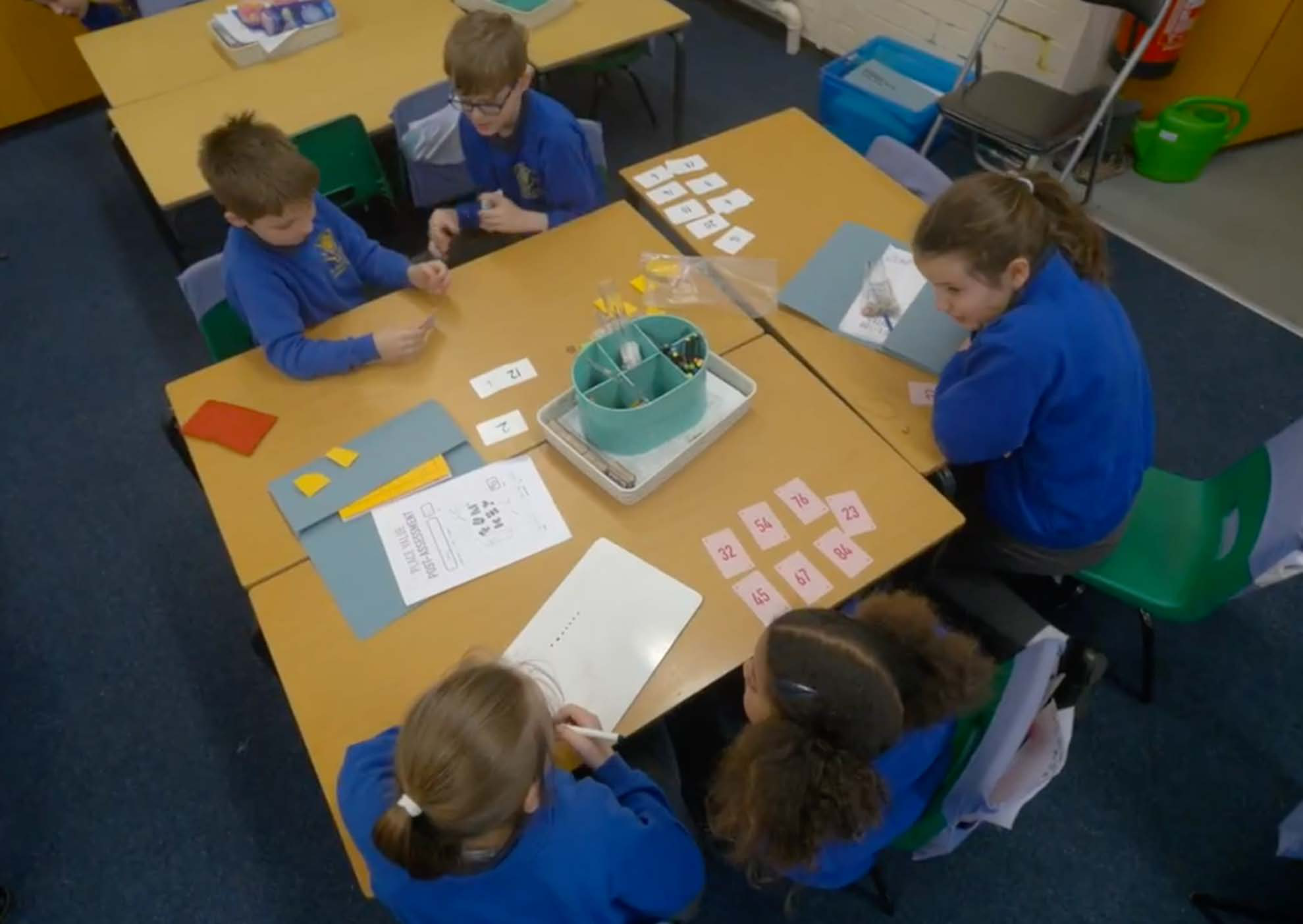
"This is making a big difference. You can see the difference between those that have been mentored and those that haven't."
A Teacher, John Masefield High School, on her Year 7 mentors
Next steps
Given that the outbreak of Covid-19 will limit face-to-face delivery, FunKey Maths is adapting its website to make the peer mentoring training for teachers available free online. The first six activity programmes will also be made available free online.
Funkey Maths recognises that after school closures, more children will need intervention support. To leverage the impact of a single Teaching Assistant, Funkey Maths is developing a training programme for Teaching Assistants so that they are equipped to lead teams of mentors in school to ensure that more children can benefit from sustained 1:1 support on their return to school.
"Often children who have very poor focus when working with an adult will engage fully with another child; they see what they are doing not as work but play."
Maggie Steel, the CEO of Funkey Maths and a primary school teacher
Funkey Maths will also create a list of mentoring activities which can work even when social distancing is in place. The schools that run the programme are enthusiastic about the impact, both in terms of maths outcomes and social and emotional benefits. FunKey Maths would like to better understand the social and emotional benefits of the peer mentoring programme.
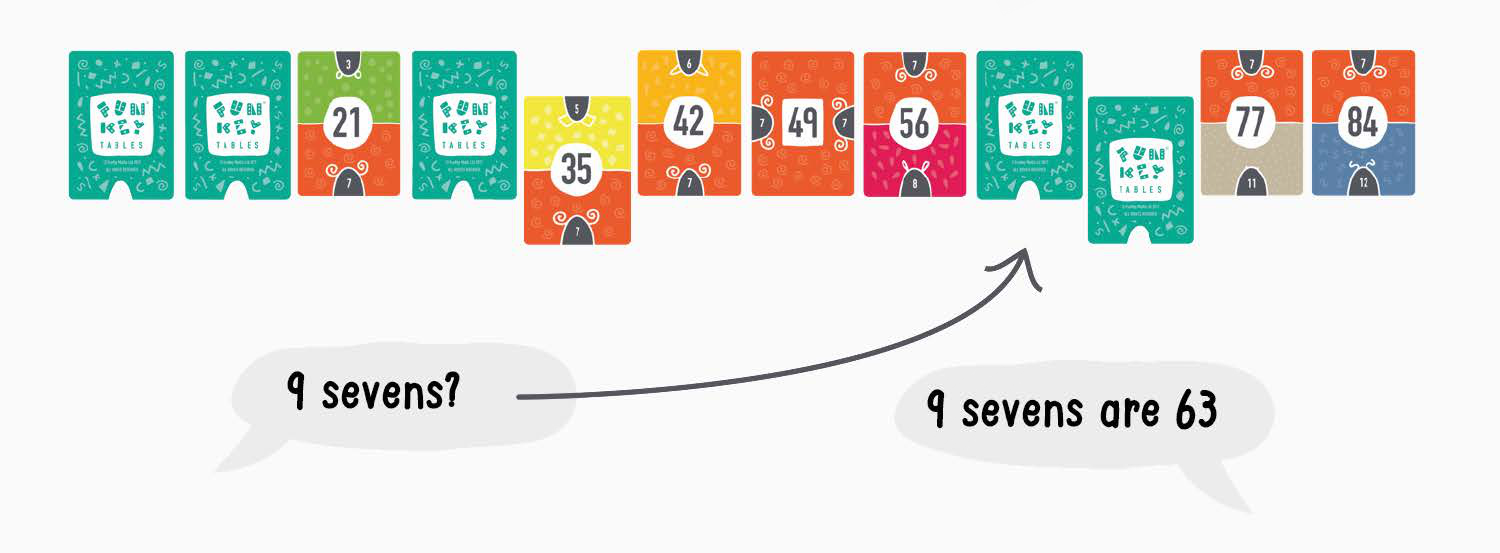
An example of a set of Funkey Maths times tables cards
Solving Together - Nrich
In May 2019 we launched a fund to support two high-potential, early-stage interventions which aim to improve parental engagement in maths and maths outcomes for secondary students (11-16 years old), using digital technology. Through this fund Maths Mission supported the NRICH project at the University of Cambridge and Eedi, a maths formative assessment app and platform.
NRICH
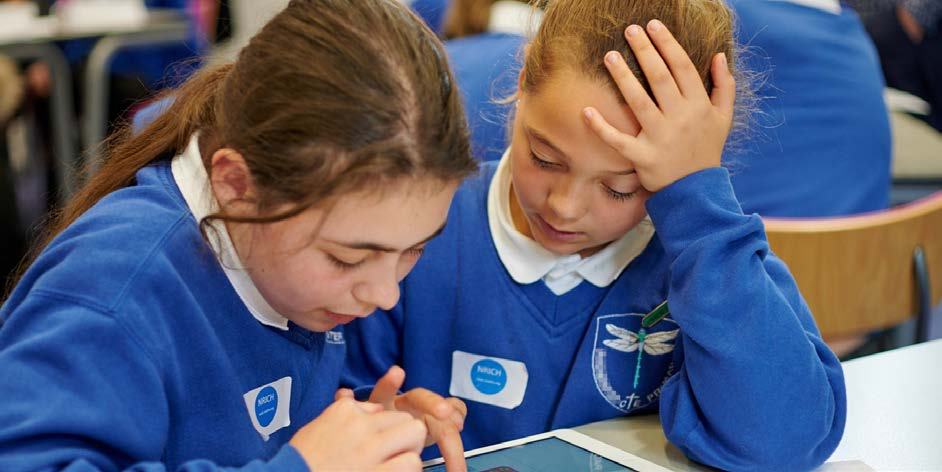
NRICH is a collaboration between the Faculties of Mathematics and Education at the University of Cambridge and provides rich mathematics education support for ages 3 to 18. They used the grant to publish six online modules of collaborative problem-solving resources aimed at parents for use with Year 7 students and tested these resources, used as weekly homework tasks, with Year 7 students and their parents in six schools. The six online modules included online interactive games for parents and children to play together, along with video guidance for parents. The games and resources used were focused on the promotion of key mathematical skills such as resilience and thinking strategically.
The aim was to gather further insights into how digital resources can be used to increase parental engagement in maths and encourage the development of positive attitudes to mathematics for parents and students. In total 710 students from 6 schools were involved in the pilot activities and 360 students from 5 schools were involved in the evaluation.
Outcomes
The evaluation of the pilot employed tools including web analytics data, pre- and post-pilot questionnaires and focus group interviews. They also used more innovative methods to gain a deeper understanding, such as pre- and post-project drawings by a class of 30 Year 7 students at a selected case study school.
The results of the pilot were encouraging given the shortness of the intervention, which was delivered over a six-week period. Evaluation data showed a positive impact on parental engagement, with almost a fifth of the families (19 per cent) working together more often on mathematics homework than they did before the pilot. The evaluation also indicated a positive impact on increasing engagement with and enjoyment of mathematics by students and parents using the activities - examples of student comments about the pilot activities included 'really fun', 'really enjoyable', 'much better than boring written work'.
Key learning
- Accessing homework online was an issue for some families involved in the pilot. Some schools offered homework clubs, but clubs tended to facilitate individual work and therefore for online homework activities, which require the input of parents, it would be advisable to consider other formats too.
- Prototyping parental engagement resources with a small number of parents in order to get important feedback on areas such as terminology, accessibility and usability could be useful in advance of piloting resources more widely.
Next steps
NRICH are keen to explore the potential of digital technology to enhance teachers' use of the collaborative problem-solving modules and to enable them to monitor student engagement when these are set as homework. The teacher feedback from the pilot highlighted the value that teachers place on the monitoring and tracking tools offered by some homework software. NRICH would like to explore this functionality further.
"I like it because there's less stress about it."
Mike, a student participant
Solving Together - Eedi
Eedi is an online formative assessment solution that identifies students' individual misconceptions to provide both students and teachers with personalised learning and instruction. Eedi has more recently developed a parent application, in order to help busy parents engage with their child's learning and wellbeing at school - regardless of their own subject knowledge or time.
The Solving Together grant fund supported Eedi to test the impact of the parent app on a child's learning through a randomised controlled trial (RCT), with CLOO Behavioural Insights Unit, which included 9 schools and 1,851 students across Year 7 and 8. Eedi hypothesised that providing parents with simple actions to help their child plan their learning and overcome misconceptions would improve student effort and ultimately attainment. The trial ran from October 2019 to February 2020 and included an implementation process evaluation.
Outcomes
The RCT indicated that students in classes that received access to the parent app did not record higher attainment in maths than students in control classes, as measured by their quiz scores on the Eedi platform. Additionally, they did not attempt significantly more questions than their peers in control classes. One-fifth (20.6 per cent) of parents assigned to the intervention group proceeded to sign up with their parent code. As such, a small number of parents (N = 192) received access to real-time information about their child's learning and simple actions to complete. Although these findings do not provide conclusive evidence on the effectiveness of the parent app they provide useful insights into the process of implementing a parental engagement app.
Example of an Eidi messages to parents
- Notice:
Each Eedi homework takes about 10 minutes to complete
- Action:
Ask Sam to complete their overdue homework on Fractions
- Sam completes the homework
- Outcome:
'Yay! Sam has now completed (if complete) this homework'
Key learning
While only a small number of parents used the Eedi parent app, the project did unearth some interesting insights, including:
- Eedi found that schools which sent out letters with unique login codes for the app received fewer sign-ups than schools which emailed this information to parents. Eedi are considering how to simplify the parent sign-up process by sending out sign-up emails via the Eedi platform.
- The results of this RCT indicated that quiz completion varies strongly by teacher. Some teachers clearly incentivised and monitored Eedi quiz completion, as evidenced by high average completion rates for the whole class. As randomisation was performed at the classroom level, the teacher appears to have had a stronger effect on treatment estimates than parent app access. If Eedi were to run this trial again they would recommend considering randomising at the teacher level to reduce the effect of teachers on the primary outcome.
- From this trial Eedi can also see that parents generally find it challenging to know what to do with their child's quiz results, which they have access to in the app. Parents often want to signpost their child to additional materials to help them overcome any misconceptions.
Next steps
To help parents respond to their child's maths misconceptions Eedi are looking into building a section of their platform, which can be monitored by parents, to give remedial content to help students overcome misconceptions.
Key Learning and Next Steps
The Maths Mission partnership was first established by Nesta and Tata in 2017 and aimed to find effective ways to increase young people's interest in maths and improve their maths and collaborative problem-solving skills.
Our work together reached 19,646 young people and 207 schools across the UK and gave young people the opportunity to feel inspired and confident in maths improving their maths skills as well as other important skills such as problem-solving and teamwork.
Key learning from the programme activities to date include:
- Competitions which challenge students to use maths in creative ways and work together in teams can help increase students' interest in maths and provide students with the opportunity to develop their presentation, problem-solving and teamwork skills. More work needs to be done to improve the accessibility of these competitions to students of different abilities (and interest in maths) and to understand the longer-term impact on participating students. Schools could consider how the creative elements of competitions might inform classroom practice.
- Maths peer mentoring can be an effective way to improve young people's maths skills as well as their social and emotional skills. Organisations which offer a flexible peer support model will likely be more attractive to schools, allowing them to adapt the programme to suit their needs. While there is more work to be done to understand the size and nature of the impact, it is important that more schools are able to deliver good quality, structured peer support programmes.
- Digital maths parental engagement activities can be successful in improving parental engagement in maths; however, there are many barriers to overcome in supporting parents to access and use these tools and this is likely to involve considerable input from schools. Most notably not all parents have access to the technology required to engage with these tools and not all want to encourage additional screen time. Further work needs to be done to ensure such tools are genuinely inclusive and that these tools help parents and young people who most need support.
Next steps
The Maths Mission partnership has generated learning and insights that will be helpful for the wider maths education sector. Although there are no immediate plans to extend the Maths Mission programme, both Nesta and Tata will be using the insights to inform future work.
Tata and TCS are committed to continuing to identify and support effective approaches to improving attitudes towards maths, maths attainment and problem solving. If you would like to discuss their work further and opportunities for collaboration, please visit the Tata Group website www.tata.com or get in touch with [email protected].
Nesta is currently working on a strategic review and will be sharing details of our focus areas from September 2020. If you would like to discuss their work further and opportunities for collaboration, please visit the Nesta website www.nesta.org.uk or get in touch at [email protected].
58 Victoria Embankment
London EC4Y ODS
+44 (0)20 7438 2500
[email protected]
@nesta_uk
www.facebook.com/nesta.uk
www.nesta.org.uk
18 Grosvenor Place
London SW1X 7HS
+44 (0)20 7235 8281
[email protected]
@TataEurope
www.Tata.com
Please consider the environment before printing this report
Nesta is a registered charity in England and Wales with company number 7706036 and charity number 1144091.
Registered as a charity in Scotland number SCO42833. Registered office: 58 Victoria Embankment, London, EC4Y ODS.
CC BY NC SA